
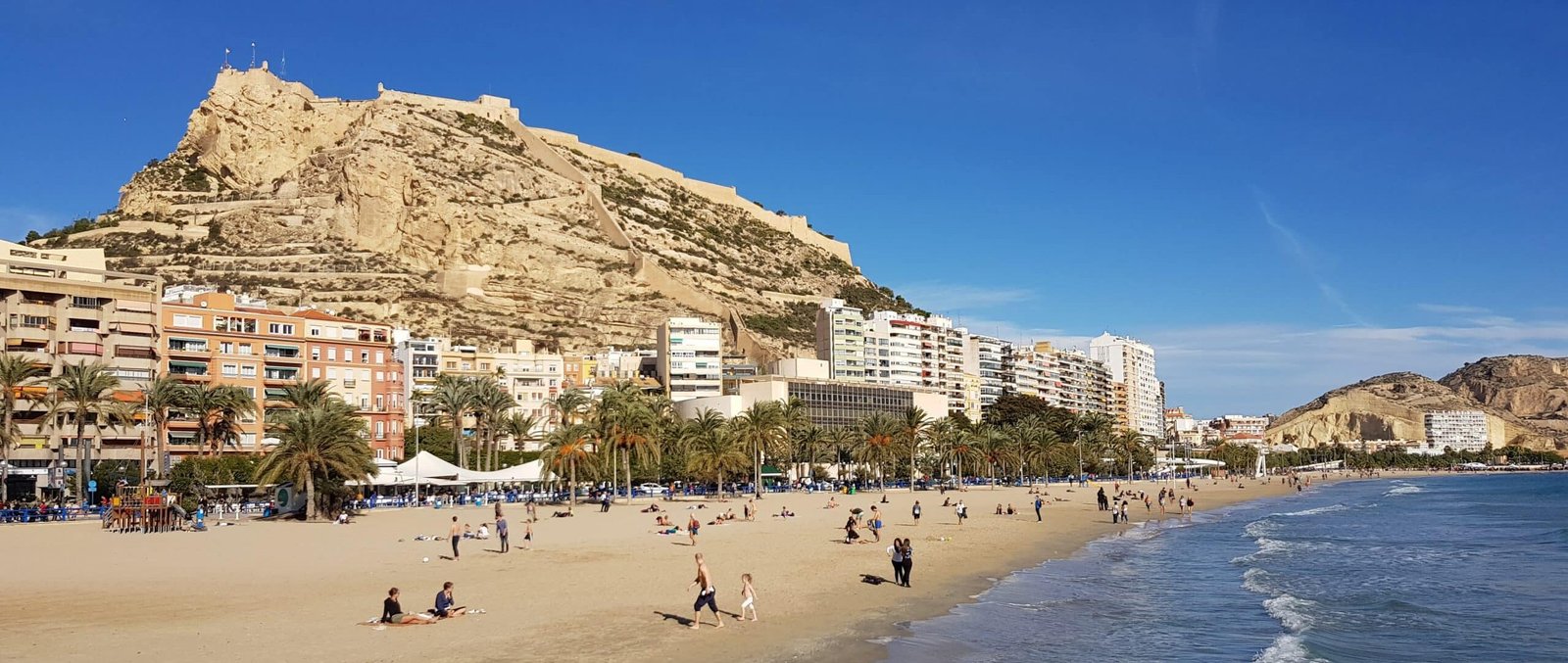
Halloween is a new tradition in Alicante, Spain, but Todos los Santos (All Saints’ Day), on 1 November, has been around for centuries. This guide covers both: this year’s Halloween events in and around Alicante, how locals celebrate, and what to expect on 1 November.
Ask AlicanteAboutPregunta a AlicanteAboutZapytaj AlicanteAboutDemandez à AlicanteAboutFragen Sie AlicanteAbout
In 2026, Halloween falls on a Saturday. Every event below is confirmed on the organiser’s, the venue’s or the ticket seller’s own page, and past events drop off the list by themselves.
Events checked on 16 October 2026.
Halloween in Alicante 2026 – Events
- Circo de los Horrores – PrisionIA (recommended 16+)23 October 2026 – 8 November 2026 · Multiespacio Rabasa, Alicante · All ages · From 30€
- Halloween party for children (City Council)30 October 2026, 17:00 – 20:00 · Plaza Joaquín María López, Alicante · Families
- Candlelight: Halloween Classics (ages 8+, under-16s with an adult)31 October 2026 · MARQ Archaeological Museum, Alicante · Families · From 24€
- Halloween party for children (City Council)31 October 2026, 10:00 – 14:00 · Parque Historiador Vicente Ramos, Alicante · Families
- Kids & Stories – Halloween, Room on the Broom (in English, ages 3–10)31 October 2026, 12:00 · Teatro Principal (lobby), Alicante · Kids · From 5€
- Halloween party at Magma Club31 October 2026, 23:30 – 1 November 2026, 07:00 · Magma Club, La Albufereta, Alicante · Adults (18+)
- Don Juan Tenorio, the classic All Saints' Day play (in Spanish)1 November 2026, 18:00 · Teatro Principal, Alicante · All ages · From 15€
With Kids
Room on the Broom at the Teatro Principal is a Halloween story session in English, a rare find for English-speaking families.
The City Council and the local shops hold Halloween parties for children in several squares, with spooky workshops, rides, virtual reality, games and entertainers (see the list above). Poeta Quintana, La Florida and Ciudad de Asís have their own parties too; we add them to the list as soon as the City Council publishes the details.
Halloween Night
For a calmer evening, Candlelight: Halloween Classics is a string quartet playing horror and film classics by candlelight at the MARQ Archaeological Museum. Tickets are sold only online.
PrisionIA, the new show of the Circo de los Horrores (Horror Circus), is in a big top at the Multiespacio Rabasa, a short taxi ride from the centre.
Later on, the old town (El Barrio) and the bars around Calle Castaños fill with people in costume. Sala Stereo has its Surfin’ Halloween concerts, and Magma Club in La Albufereta, by the TRAM, holds its Halloween club nights. For a drink with a view first, try one of the rooftop bars. To get back late, see taxis, Uber and Bolt in Alicante.
Halloween Trips from Alicante
- Halloween at Terra Mítica (open at weekends)3 October 2026 – 1 November 2026 · Terra Mítica, Benidorm (43 km) · All ages · From 35€
- Pirate Halloween at Mundomar (closed Mondays and Tuesdays)3 October 2026 – 1 November 2026 · Mundomar, Benidorm (50 km) · Families · From 26€
- Encender la Noche – Halloween Special (family evening)24 October 2026, 18:00 – 21:00 · Pinada de Salesianos, El Campello (14 km) · Families · From 10€
- Fira de Tots Sants (All Saints' Fair)30 October 2026 – 1 November 2026 · Town centre, Cocentaina (60 km) · All ages
- The Scariest Night at Terra Mítica (horror experiences recommended 12+)31 October 2026, 11:00 – 1 November 2026, 01:00 · Terra Mítica, Benidorm (43 km) · All ages · From 43€
- Horror Nights at Terra Mítica (also 14–17; 14–15 with a paying adult)1 November 2026, 21:00 – 2 November 2026, 00:00 · Terra Mítica (Iberia area), Benidorm (43 km) · Adults (18+) · From 43€
Terra Mítica, the theme park in Benidorm, opens at weekends during its Halloween season, with horror experiences and shows. Its big day is The Scariest Night on 31 October, when the park stays open past midnight; most horror experiences are not for young children, but there is a gentler one for them. Horror Nights, its most intense event, is for adults and teenagers only. Tickets are cheaper online, and cheaper still for children, seniors and afternoon visits. To get to Benidorm by TRAM, bus or taxi, see our Alicante to Benidorm guide; from Benidorm, you can continue to the park by TRAM or bus.
In Benidorm too, Mundomar, the marine park, has a pirate Halloween for younger children, with a haunted ship walk-through, face painting and workshops.
Closer to Alicante, Encender la Noche is a Halloween evening for families in a pine wood in El Campello, with storytelling, games and a picnic under the stars (bring a blanket, a torch and a costume). The Salesians stop of the TRAM is a few metres away.
If you really want to be an Alicantinian expert, drive inland to Cocentaina for the Fira de Tots Sants (All Saints’ Fair), one of the oldest fairs in Spain. You can expect farm animals and machinery, food, children’s activities, traditional Arab and Christian markets and many other traditional activities and shows. Edition number 680 takes place from 30 October 2026 to 1 November 2026. The town fills up, so use the car parks on its official website.
Día de Todos los Santos
Traditionally, Spaniards celebrate el Día de Todos los Santos (All Saints’ Day/All Hallows) on 1 November, while Halloween is on 31 October. Halloween and Todos los Santos share very close dates in the calendar and, partially, their origins, but they are different celebrations. Halloween’s origin is the Celtic Samhain. Later in time, the Catholic Church created the All Saints celebration to replace the pagan Samhain. All Saints ended up inheriting some of the pagan traditions, such as praying for the dead or lighting candles. Currently, most of Spain (Alicante included) celebrates both.
There are many traditions that some people, mostly older people, follow. One of the biggest is going to the cemetery to visit their loved ones who are no longer with us. People bring a beautiful bouquet of flowers to show their respect and to remember them. It is also a day for the family: some go to the countryside or enjoy some hot roasted chestnuts.
On All Saints’ Day, Alicante’s municipal cemetery (Nuestra Señora del Remedio) is open 08:00–18:00.
It is also the season of Don Juan Tenorio, the play by José Zorrilla that Spanish theatres traditionally stage around All Saints’ Day (in Spanish; see the list above).
Some Special Sweets for the Occasion You Should Try
The most typical are huesos de santo (saints’ bones): small marzipan rolls filled with a sweet egg-yolk cream. They are traditionally made only at this time of the year.
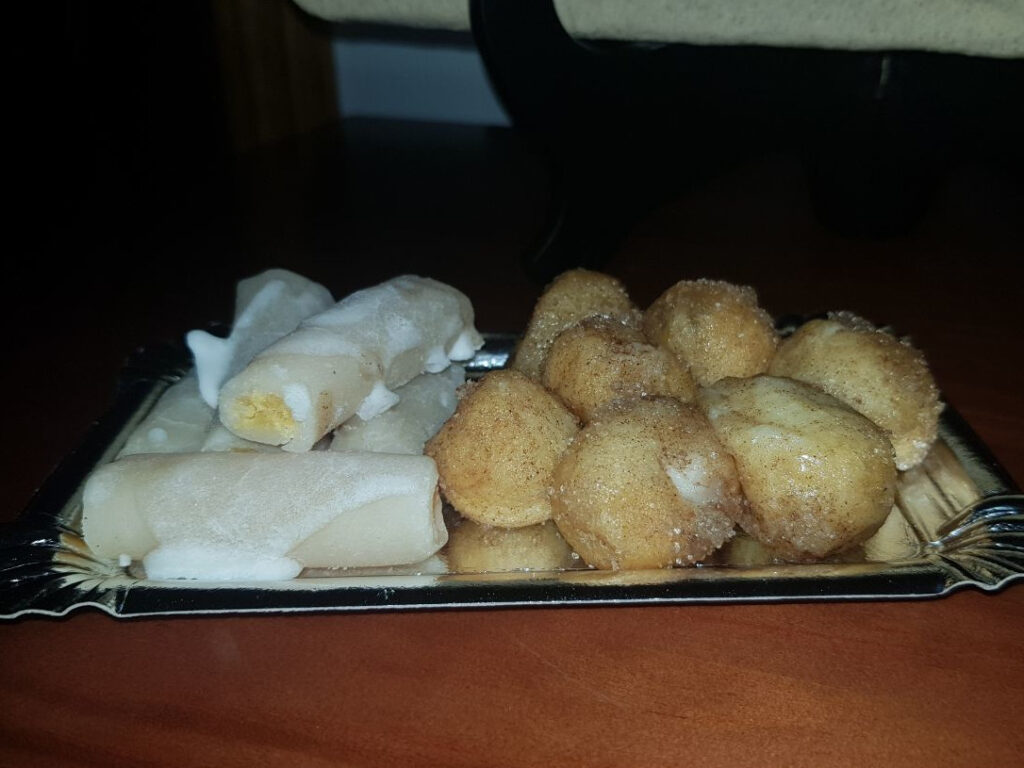
Another typical sweet is buñuelos de viento: little sweet fried balls of dough, often filled with a cream made of milk, eggs and cornflour.
Is Halloween a Public Holiday in Spain?
No. Halloween, on 31 October, is a normal working day. All Saints’ Day, on 1 November, is a national bank holiday (festivo). In 2026, 1 November falls on a Sunday and the Valencian Community does not move it to Monday, so there is no extra day off in Alicante. You can check it in Alicante’s official working calendar.
Do Spaniards Celebrate Halloween?
Halloween is a big festivity in most English-speaking countries. The influence of that cultural party has been exported to Spain through films, costume parties, business opportunities and foreigners living in the country. But this is not how Spaniards originally celebrated Halloween.
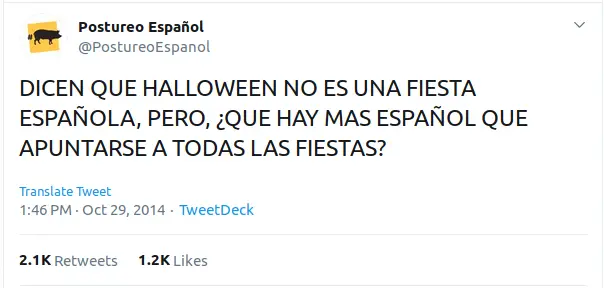
As a general rule, in Alicante and in Spain, people love celebrations and parties. There is a very wise meme saying, “They say Halloween is not a Spanish party, but what is more Spanish than joining all parties?” Jokes apart, Halloween has been growing as a party on the 31st of October at a quick pace. You can expect parties, people in costumes, and city-hall organised events all around the city centre. Pumpkins are not as present as they would be in other countries, but they are not impossible to find in supermarkets. So don’t be shy if you like to carve one and put a candle in it.
Halloween in Alicante is a sort of big party, bigger and bigger year after year. Don’t be scared by the people you will find on the streets: join an organised party or throw your own at home. Spaniards will love it.
Truco o Trato
Yes, you guessed it, Truco o Trato translates to Trick or Treat. Everyone in Spain knows how it works thanks to the movies. The tradition of children going from house to house to ask for sweets is not as big as in the United States or the UK. Nevertheless, trick-or-treating is increasingly common among families, schools and organised neighbourhoods, and some neighbourhoods, such as La Florida, organise routes for children with their local shops. And proudly, my family is ready every year for children ringing the bell: “¿Truco o trato?“
Halloween in Alicante: FAQ
On 31 October, as everywhere else. In 2026 it falls on a Saturday. Most events are that evening and night, and some start in the days before.
All Saints’ Day is a national bank holiday in Spain. In 2026, 1 November falls on a Sunday and the Valencian Community does not move it to Monday, so there is no extra day off in Alicante.
Mostly in the old town (El Barrio) and the bars around Calle Castaños, where many people go in costume. Concert halls and clubs also hold Halloween parties.
Yes, but less than in the United States or the UK. Some neighbourhoods organise routes with local shops, and in many blocks of flats children knock on their neighbours’ doors.
The City Council’s Halloween parties in the squares, the Halloween story session in English at the Teatro Principal, and, in Benidorm, Mundomar’s pirate Halloween and the children’s experience at Terra Mítica.
Usually mild. In October, the average high is 24.9°C (76.8°F), the average low 14.5°C (58.1°F) and the sea is still about 22.6°C (72.7°F). More in Alicante weather in October.
On 1 November, Día de Todos los Santos, many families visit the cemetery to leave flowers for their loved ones. Bakeries sell huesos de santo and buñuelos de viento, the sweets of the season.
More festivals in Alicante: Carnival, Easter, the Santa Faz pilgrimage and the Hogueras de San Juan.